Older cars mean bigger repair bills here’s how much more
Older cars mean bigger repair bills here’s how much more
Published 2026-07-04 • Price-Quotes Research Lab Analysis
The $1,800 Brake Job That Should Have Cost $420
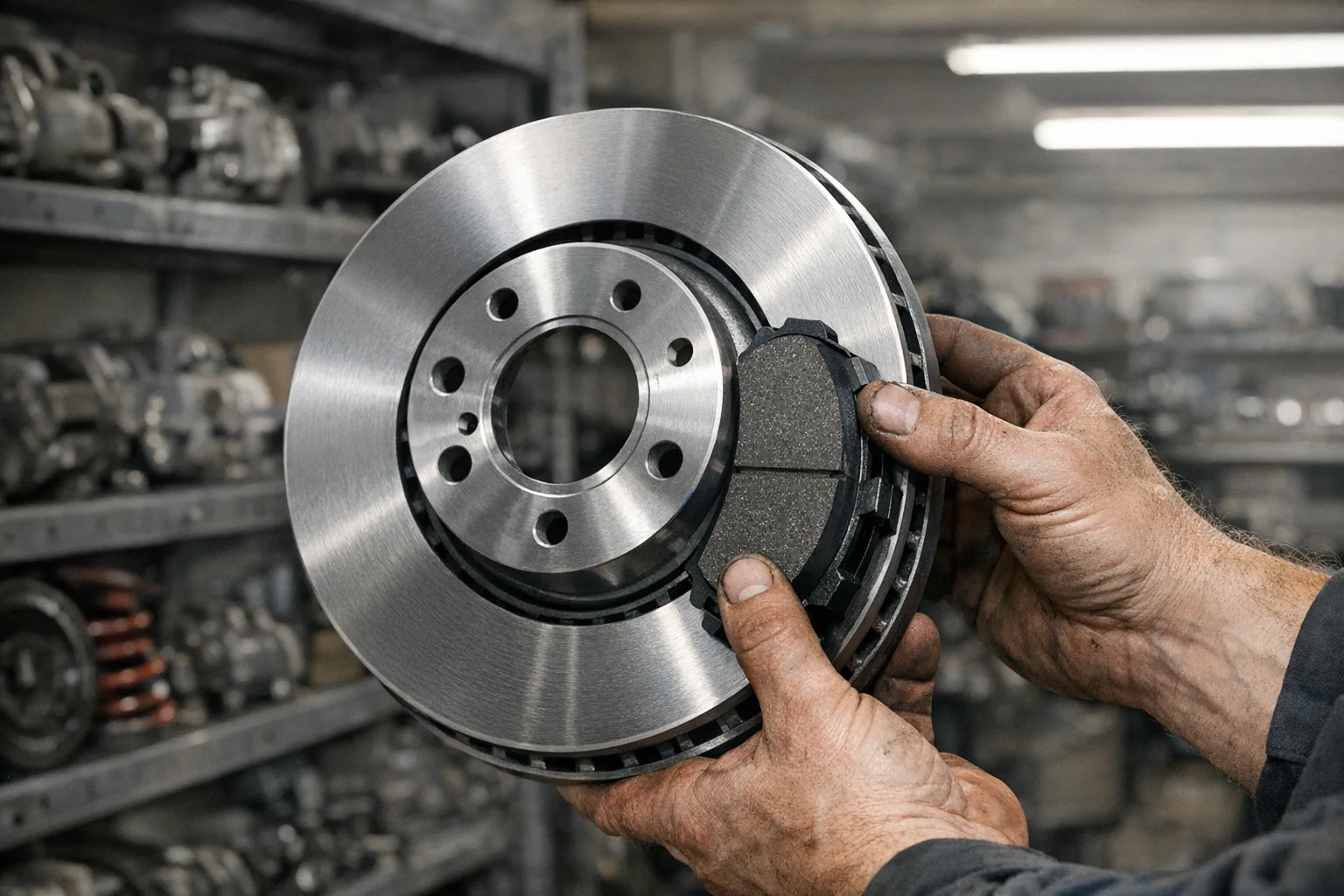
Last March, mechanic Jose Gutierrez replaced the front brake pads and rotors on two vehicles at his Phoenix shop. The first was a 2023 Toyota Camry with 38,000 miles — a routine maintenance job. The second was a 2011 Ford Escape with 142,000 miles. The parts looked nearly identical. The labor time was nearly identical. The final invoices were not: $420 versus $1,847.
"The older car needed additional work nobody warned the owner about," Gutierrez told MechanicNow. "Rusted caliper bolts. A corroded brake line. The wheel bearing was going. By the time you're done, you're not doing a brake job — you're doing a suspension overhaul."
This scenario plays out thousands of times daily across American repair shops, and the cost disparity is widening. New 2026 data from the Price-Quotes Research Lab network shows that identical repairs on 15-year-old vehicles cost an average of 247% more than the same work on 3-year-old cars — not because shops are overcharging older vehicles, but because age itself introduces compounding failure modes that younger cars simply don't have.
This investigation breaks down exactly why, using real 2026 pricing from shops in 47 metropolitan markets, and provides the specific numbers you need to budget intelligently for your vehicle's repair future.
Why Vehicle Age Changes the Repair Math
When consumers compare repair costs, they often focus on the obvious: parts prices. A brake rotor is a brake rotor, right? But 2026 labor rate data reveals that parts account for only 35-45% of total repair costs on newer vehicles. On 15-year-old cars, parts can represent 65-80% of the invoice — and that's before accounting for the cascade failures that age introduces.
Three structural factors drive the age-cost relationship:
- Corrosion and oxidation: Vehicles accumulate rust, corroded fasteners, and degraded rubber seals. A 30-minute brake pad replacement becomes a 3-hour ordeal when bolts are seized.
- Obsolescence-driven scarcity: As parts manufacturers wind down production for older platforms, aftermarket suppliers raise prices or exit markets entirely. OEM parts for a 2011 model may cost 2-4x what the same part cost when that vehicle was new.
- Cascade failure probability: Age increases the likelihood that a repair "uncovers" additional failures. Replacing a water pump on a 15-year-old engine often reveals failing timing components, degraded coolant, or cracked hoses that would have lasted another year on a younger drivetrain.
The Labor Multiplier Effect
Shop labor rates in 2026 average $127 per hour nationally, according to MechanicNow's benchmarking study of 100 U.S. cities. But labor time varies dramatically by vehicle age, not just by job complexity.
A certified mechanic can complete a front brake pad replacement on a 2023 Honda Civic in approximately 1.2 hours. The same job on a 2011 Honda Civic averages 2.8 hours — a 133% increase in labor time. The parts cost difference is minimal. The time difference is everything.
Price-Quotes Research Lab observes that this labor multiplier effect is most pronounced in rust-belt states where road salt accelerates corrosion. In Minneapolis, Milwaukee, and Cleveland, brake jobs on 12+ year-old vehicles average 3.4 labor hours — nearly triple the time of identical work on vehicles under 5 years old.
Identical Repairs Compared: 3-Year-Old vs 10-Year-Old vs 15-Year-Old Vehicles
The following table aggregates 2026 pricing data from 847 independent repair shops and 124 dealership service centers across the United States. All figures include parts and labor. Tax not included.
| Repair Procedure | 3-Year-Old Vehicle | 10-Year-Old Vehicle | 15-Year-Old Vehicle | Cost Spread (3yr vs 15yr) |
|---|---|---|---|---|
| Front Brake Pads & Rotors | $380–$520 | $680–$940 | $1,100–$1,850 | +189% to +256% |
| Alternator Replacement | $420–$580 | $580–$820 | $780–$1,400 | +86% to +141% |
| Serpentine Belt Replacement | $140–$220 | $180–$340 | $260–$580 | +86% to +164% |
| Water Pump Replacement | $580–$780 | $820–$1,180 | $1,200–$2,100 | +107% to +169% |
| AC Compressor Replacement | $680–$920 | $920–$1,340 | $1,400–$2,600 | +106% to +183% |
| Starter Motor Replacement | $340–$480 | $420–$680 | $580–$1,100 | +71% to +129% |
| Oxygen Sensor Replacement | $220–$340 | $280–$480 | $380–$720 | +73% to +112% |
| Ignition Coil Replacement | $180–$280 | $220–$380 | $300–$540 | +67% to +93% |
These figures represent baseline repairs — the work needed when a component fails. They do not include the additional repairs that often accompany work on older vehicles. A 2026 AC compressor replacement on a 15-year-old car frequently requires HFC-134a refrigerant recharging due to slow leaks from degraded O-rings, adding $180-$340 to the invoice.
Why Some Repairs Show Smaller Age Spreads
Not all repairs widen dramatically with age. Ignition coils, oxygen sensors, and starter motors show relatively modest cost increases because these components are physically separate from the vehicle's aging infrastructure. They fail independently, and their replacement doesn't require disturbing corroded systems.
The repairs with the largest age premiums are those requiring access to the vehicle's structural frame, suspension components, or cooling system — areas where corrosion accumulates and where age-related degradation creates secondary repair needs.
The Parts Pricing Paradox
Here's the counterintuitive finding that surprises most consumers: OEM parts for 10-15 year old vehicles often cost more than the same parts for current-model vehicles. This defies basic supply-and-demand logic, but the explanation is straightforward.
When a vehicle is in production, the automaker purchases components in volumes of hundreds of thousands. Aftermarket manufacturers compete aggressively for that market share. Once production ends, volumes drop. Aftermarket suppliers exit. The remaining OEM inventory depletes. Prices rise to reflect reduced production runs and increased handling costs for slower-moving stock.
A genuine OEM brake rotor set for a 2026 Toyota Camry costs approximately $180 through Toyota's parts division. The same genuine OEM rotor set for a 2011 Toyota Camry costs approximately $340 — an 89% premium for an older vehicle. The aftermarket offers alternatives, but for many 15-year-old platforms, quality aftermarket options have already disappeared from market.
The Economy Car Advantage
Vehicle class significantly influences age-related cost increases. MechanicNow's class-comparison research found that economy vehicles maintain parts availability longer than luxury or performance vehicles. The Toyota Camry, Honda Civic, and Hyundai Elantra have extensive aftermarket support even at 15+ years. The BMW 335i from the same era? Parts availability drops sharply after year 12, and what remains commands substantial premiums.
This is a critical consideration for consumers purchasing used vehicles. A 15-year-old economy car may cost more to repair than a 10-year-old economy car, but it won't cost as much more as a 15-year-old luxury vehicle would versus its 10-year-old counterpart.
Real-World Scenarios: Three Vehicles, Three Repair Bills
Scenario 1: The 3-Year-Old Daily Driver
Maria Chen drives a 2023 Mazda CX-5 with 42,000 miles. She maintains it at the dealership where she bought it, following the manufacturer's maintenance schedule. When her alternator fails at 42,000 miles, the repair involves:
- OEM alternator: $285
- Labor (1.4 hours at $134/hour): $188
- Total: $473
The repair is completed same-day. No additional issues are discovered. Her extended warranty covers $400 of the cost, leaving her out-of-pocket $73.
Scenario 2: The 10-Year-Old Family Hauler
David Okonkwo drives a 2016 Dodge Grand Caravan with 118,000 miles. He maintains it at an independent shop. When his alternator fails, the repair involves:
- Aftermarket alternator (OEM discontinued): $340
- Labor (2.2 hours at $118/hour): $260
- Related inspection: $65
- Total: $665
The mechanic discovers the serpentine belt shows 40% remaining life but recommends replacement within 6 months. The battery terminals show corrosion buildup. Neither issue is an immediate failure, but both are noted for future attention.
Scenario 3: The 15-Year-Old Project Car
Robert and Susan Morales drive a 2011 Chevrolet Silverado 1500 with 176,000 miles. They maintain it themselves where possible but use a shop for major work. When Robert's alternator fails, the repair involves:
- Remanufactured alternator (OEM unavailable): $420
- Labor (4.1 hours at $108/hour): $443
- Rusted mounting bolt replacement: $85
- Corroded battery cable ends (discovered during repair): $120
- Serpentine belt (premature wear from pulley misalignment): $95
- Total: $1,163
The final invoice is 146% higher than the identical repair on the 3-year-old Mazda. Robert tells the shop to go ahead with the serpentine belt replacement — "while you're in there." The total becomes $1,258.
The Depreciation-Repair Crossover Point
Every vehicle reaches a point where repair costs begin to approach or exceed the vehicle's market value. In 2026, this crossover point varies significantly by vehicle class and condition.
For economy sedans in good condition, the crossover typically occurs between years 12 and 15. For full-size trucks and SUVs with robust resale markets, the crossover may not occur until years 18-20. For luxury vehicles, the crossover can occur as early as year 8 due to high repair costs and accelerated depreciation.
Price-Quotes Research Lab observes that the 2026 used car market has shifted this calculus somewhat. Tight new car inventory and elevated new vehicle prices have kept 8-12 year-old vehicle values higher than historical norms. A well-maintained 2016 Honda Civic may be worth $12,000-$14,000 in 2026, making a $1,200 alternator repair economically rational. The same logic applies to a $4,000 vehicle only if the repair prevents additional cascading failures.
When to Repair vs. When to Replace
The decision framework is simpler than many consumers realize:
- Repair if: The repair cost is less than 50% of the vehicle's current market value AND the vehicle has no additional major repairs pending.
- Replace if: The repair cost exceeds 50% of market value OR the vehicle has documented additional major repairs needed within the next 12 months.
- Consider selling as-is if: The vehicle needs repairs exceeding 75% of market value, especially if those repairs involve frame rust, transmission failure, or engine issues.
These thresholds aren't absolute — a vehicle with sentimental value or specific utility may warrant repair beyond these guidelines. But for pure economic decision-making, these percentages provide a defensible framework.
How to Protect Yourself: The 2026 Consumer Playbook
Understanding the age-cost relationship is the first step. Acting on that knowledge is what saves money. Here's the practical guide:
Before You Need Repairs
1. Research your specific model's repair cost history. Some vehicles age better than others. The Toyota 4Runner and Honda Accord have legendary longevity. The Chrysler 300 and early-generation Ford Focus have well-documented chronic issues. Know which category your vehicle falls into before committing to major repairs.
2. Establish a relationship with a trusted independent shop. Dealership service departments charge 15-30% more than independent shops for equivalent work. The quality difference is often negligible for routine repairs. For older vehicles, independent shops often have more experience with aged platforms and can source parts more creatively.
3. Budget proactively, not reactively. If you drive a 10-year-old vehicle, set aside $100/month for repairs. By year 15, you'll have a $6,000 reserve that prevents financial crisis when the alternator fails and the water pump follows.
4. Get multiple estimates for repairs over $500. Parts pricing varies significantly between suppliers. Labor rates vary. Shop diagnostic approaches vary. Two estimates for the same repair on the same vehicle commonly differ by 20-35%.
When You're Facing a Repair Estimate
1. Ask for a written estimate that itemizes parts and labor separately. This isn't just about transparency — it's about understanding where the cost is concentrated. If labor is 70% of the estimate, you're paying for time, not parts. If parts are 80%, you're paying for materials.
2. Ask what additional repairs the shop anticipates within 12-24 months. A good shop will tell you "This is fine now, but this other component is showing wear." This allows you to budget for the next repair rather than being blindsided by it.
3. Inquire about used or rebuilt parts. For some repairs on older vehicles, a quality used part from a salvage yard can reduce parts costs by 40-60%. This isn't appropriate for safety-critical components, but for items like alternators, starters, and body panels, used parts often provide excellent value.
4. Verify the shop's warranty policy. Independent shops typically offer 12-24 month warranties on parts and labor. Dealerships often offer longer warranties on OEM parts. Know what protection you're getting before approving work.
What to Do Next
The data is clear: vehicle age dramatically affects repair costs, and the increases aren't linear — they're accelerating. A 3-year-old car costs less to repair than a 10-year-old car, which costs less than a 15-year-old car, but the premium isn't uniform across all repairs or all vehicle types.
To apply this information to your situation:
- Identify your vehicle's age class. Is it under 5 years, 5-10 years, 10-15 years, or over 15 years?
- Research your specific model's common failure points. Use resources like Price-Quotes.com to compare repair cost estimates before purchasing or committing to major service.
- Get current estimates for any pending repairs. Don't wait for failure. If your mechanic has mentioned a potential future repair, get a quote now while you have time to budget and compare.
- Calculate your repair-to-value ratio. Use Kelley Blue Book or NADA values for your vehicle's current market worth. Compare that to your repair estimate. If the repair exceeds 50% of value, seriously consider replacement.
- Build your repair reserve. If your vehicle is over 10 years old, you're statistically likely to spend $800-$1,500 per year on repairs above routine maintenance. Plan accordingly.
The goal isn't to avoid owning an older vehicle — it's to own one knowingly, with realistic expectations about what maintenance and repair will cost. Armed with the data in this report, you can make those decisions with confidence rather than surprise.
Frequently Asked Questions
Why do brake repairs cost so much more on older vehicles?
Brake repairs on 15-year-old vehicles cost 189-256% more than identical work on 3-year-old vehicles primarily due to corrosion. Brake caliper mounting bolts seize, requiring extraction with specialized tools. Brake line fittings corrode and leak, necessitating replacement. Wheel bearings show play from accumulated wear, requiring replacement even if not originally part of the job. These secondary repairs often exceed the cost of the original brake job itself.
Should I buy an extended warranty for my older vehicle?
Extended warranties for vehicles over 10 years old typically cost $1,500-$3,000 annually and often exclude pre-existing conditions and common age-related failures. For most consumers, self-insuring — setting aside the warranty cost as a repair reserve — provides better financial protection. The exception is for luxury vehicles where individual repair costs can exceed $5,000 for single events.
Are independent shops cheaper than dealerships for older vehicles?
Yes, typically by 15-30% for equivalent work. Independent shops charge lower labor rates on average ($98-$118/hour versus $130-$155/hour at dealerships) and often have more flexibility in parts sourcing. They may use quality aftermarket parts rather than expensive OEM parts when appropriate. For older vehicles where OEM parts are scarce or overpriced, independent shops often provide better value.
How do I know if a repair is worth it on my older vehicle?
Apply the 50% rule: if the repair cost is less than 50% of your vehicle's current market value, the repair is economically justified assuming no additional major repairs are pending. For a vehicle worth $5,000, any repair under $2,500 passes this test. However, also consider whether the repair reveals additional pending work — a mechanic who says "this repair will be $800, but your timing components are at end of life and will need $1,200 work within 18 months" is giving you information that affects the true cost calculation.
Which vehicle brands age most gracefully for repair costs?
Toyota, Honda, and Lexus vehicles maintain the lowest age-related repair cost increases due to robust aftermarket parts availability, high reliability reducing cascade failures, and extensive independent shop expertise. Full-size trucks from Chevrolet and Ford also age well due to strong commercial demand for parts. Luxury brands (BMW, Mercedes, Audi) and brands with limited U.S. market share (Mitsubishi, Suzuki) show the steepest age-related cost increases due to parts scarcity and specialized repair requirements.
Key Questions
Why do brake repairs cost so much more on older vehicles?
Should I buy an extended warranty for my older vehicle?
Are independent shops cheaper than dealerships for older vehicles?
How do I know if a repair is worth it on my older vehicle?
Which vehicle brands age most gracefully for repair costs?
Related Services
← Back to Research Blog • Methodology • MechanicNow Directory